Editorial Report · Men's Wellness Over 50
Inside the quiet morning ritual built around baking soda - honey gelatin
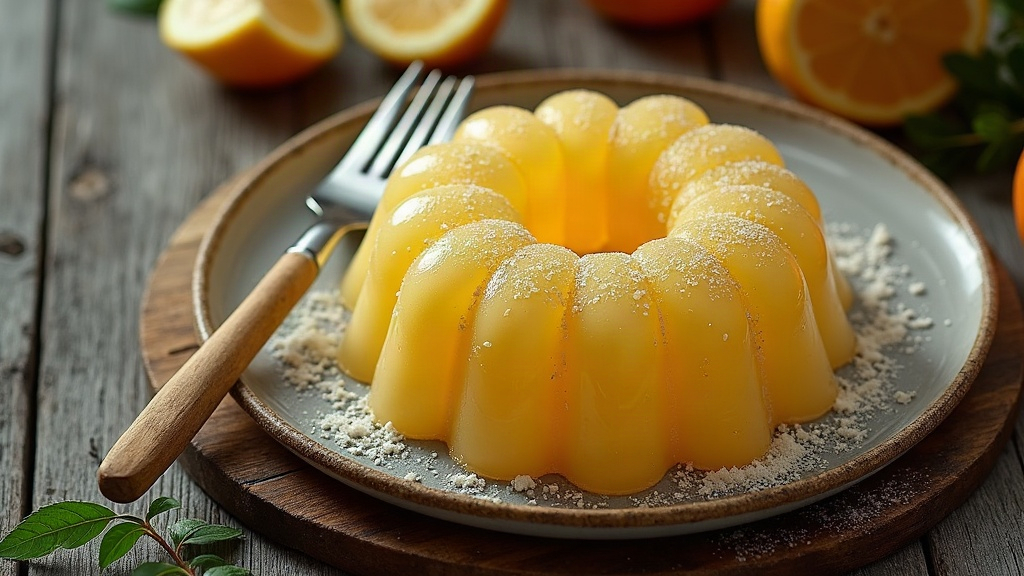
This guide walks through the Mediterranean-inspired preparation of baking soda – honey gelatin, and why so many households over 50 still keep the practice alive.
The Monday Morning Most Men Over 50 Recognize
It’s 6:40 in the morning. The coffee is already poured, but the body feels like it’s still catching up from yesterday. This is the quiet starting point for a lot of men past fifty — not a crisis, just a slow shift worth paying attention to.
Mornings That Feel Slower to Start
Getting out of bed and into the day can feel like it takes a little longer than it used to, without any single dramatic cause.
The Same Old Routine, Less Payoff
Coffee, stretching, the usual habits — they don't always deliver the same lift they once did.
Restless Nights, Groggy Days
Sleep quality shifts quietly with age, and the knock-on effect shows up the next morning.
A Body That Feels Different Day to Day
Energy and comfort levels can vary more than they used to, and it's easy to just shrug it off.
Signs Worth a Second Look
Persistent Fatigue That Doesn't Lift
Tiredness that lingers regardless of rest may be worth mentioning to a healthcare provider.
Unexplained Changes in Appetite
Any sudden or lasting shift in eating patterns deserves a conversation with a doctor.
Joint Discomfort That Lingers
Stiffness or soreness that doesn't ease with normal movement is worth flagging.
Sleep Patterns That Keep Shifting
Frequent waking or difficulty settling at night is a signal, not something to just push through.
Mood That Feels Off More Often
Noticeable, lasting shifts in mood or motivation are best discussed with a professional.
Any Symptom That Feels New or Severe
When in doubt, a medical professional is always the right first call — this guide is educational, not diagnostic.
Myths vs Facts Around the Ritual
Kitchen traditions collect stories over generations. Here’s a closer, calmer look at three that come up often.
This ritual is a modern wellness trend.
The pairing of simple pantry ingredients in evening routines has roots that go back generations in Mediterranean households.
Only one exact recipe counts.
Regional variations have always existed — the constant is the ritual of preparation itself, not a rigid formula.
It’s meant to replace medical care.
Traditional routines like this were always a complement to daily life, never a substitute for professional healthcare guidance.
How the Ritual Is Traditionally Prepared
No special equipment, no complicated steps — just a small, repeatable sequence some households still follow.
Step One: Gather the Basics
A small bowl, warm water, and the core pantry ingredients are set out the night before.
Step Two: Combine Slowly
Ingredients are mixed gently, without rushing, echoing how it’s traditionally been done at the kitchen counter.
Step Three: Make It Part of the Evening
The mixture is set aside as part of a calm end-of-day pause, rather than treated as a task to rush through.
Where This Ritual Comes From
Long before wellness trends had names, Mediterranean kitchens leaned on a short list of humble ingredients — baking soda, honey, and gelatin among them — combined in small evening rituals passed down through families. It wasn’t framed as medicine; it was simply part of how an evening wound down, alongside the same unhurried conversations and shared meals that defined the region’s pace of life.
The insight worth sitting with: it was never about one ‘powerful’ ingredient — it was about a consistent, calm ritual repeated night after night.
Reader Notes From the Field

Illustrative composite examples. Individual results vary. Not a guarantee.
Frequently Asked Questions
No — this page is an educational overview of a traditional ritual and the ingredients associated with it.
No. The ritual described is simple, low-equipment, and rooted in everyday kitchen practices.
No. This content is educational only and is not a substitute for professional medical advice.
It refers to a traditional combination of baking soda, honey, and gelatin used in some Mediterranean evening rituals.
Gelatin has long been a pantry staple in Mediterranean households, often paired with honey in simple evening preparations.
Not really — regional and family variations exist, and the ritual itself matters more than a fixed recipe.
Yes. Anyone with health concerns or existing conditions should speak with a healthcare professional first.
Curious Enough to Keep Reading?
The full guide walks through the complete ritual, its origins, and what to consider before trying it yourself.
Advertising Disclosure: This page contains sponsored content and affiliate links. If you click through and make a purchase, we may receive compensation at no additional cost to you. This helps support the research and publication of educational content like this.
Content Disclaimer: This content is for educational and informational purposes only. It has not been evaluated by the Food and Drug Administration (FDA). It is not intended to diagnose, treat, cure, or prevent any disease. Always consult a qualified healthcare professional before making changes to your health routine or diet.
Results Disclaimer: Individual results and experiences vary. Any testimonials or illustrative examples shared on this page are not a guarantee of any outcome. Always use your own judgment and consult a professional before trying any routine discussed here.
© 2026 · All Rights Reserved · Contact: /contact/